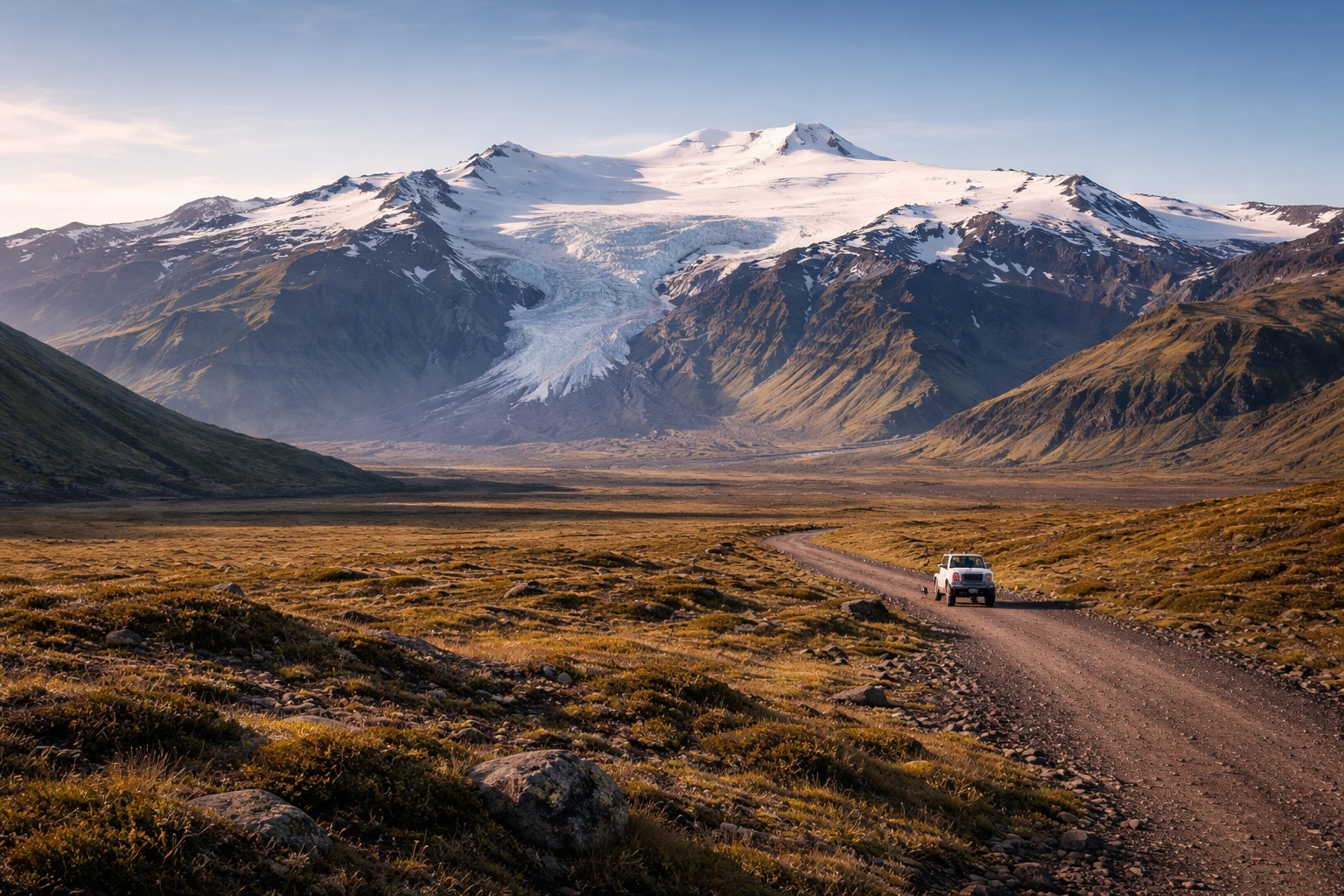
Eyjafjallajökull. Say it fast enough, and you might just conjure a Viking spirit. This stratovolcano, capped by a glacier, became a household name in 2010 when its ash plume grounded European air traffic for weeks. For anyone planning a trip to Iceland in 2026, the question often arises: is it still possible to visit the infamous Eyjafjallajökull, and what are the best ways to experience it today? While the Fagradalsfjall volcano hike draws visitors to fresh lava fields on the Reykjanes Peninsula, Eyjafjallajökull offers something different — a glacier-capped giant with a dramatic eruption history and a landscape shaped by ice as much as fire. This guide covers current accessibility details, safety advice, and real options for experiencing it all.
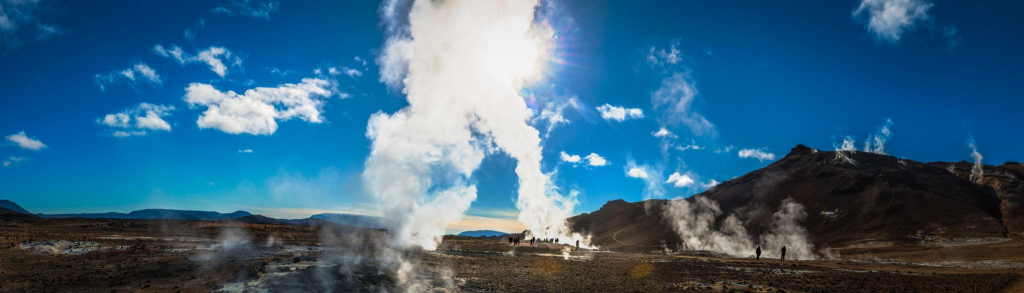
Top Eyjafjallajökull Volcano Tours & Day Trips 2026
Booking a guided tour often simplifies logistics and provides access to otherwise inaccessible areas around Eyjafjallajökull. Here are some popular options for 2026:
Snowmobiling on Eyjafjallajökull: The Summit of Adventure
⏱ 2 hours | 💰 from $250 | 👥 Small Group | 📍 Skógar area base camp
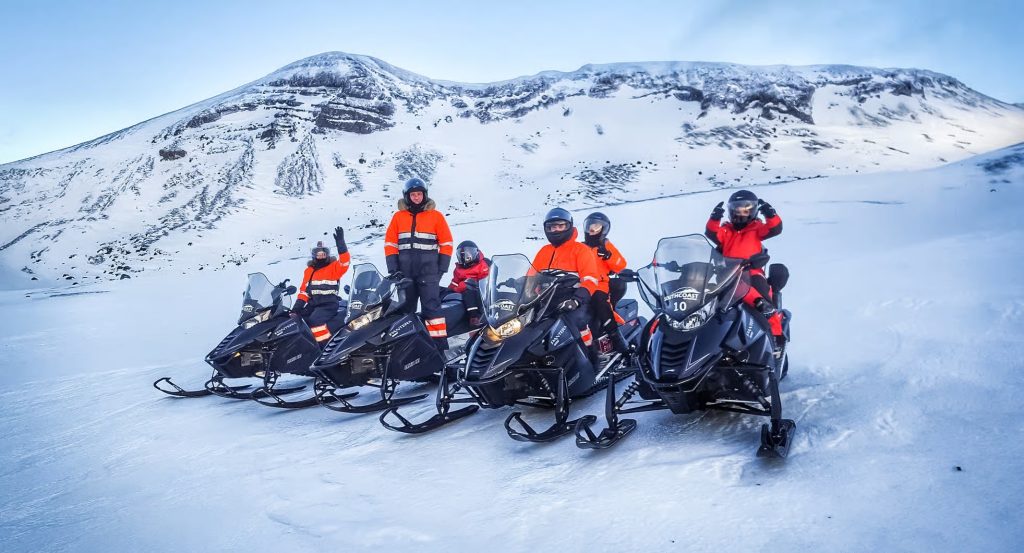
Get a direct, thrilling experience on top of Eyjafjallajökull Glacier itself. After a super jeep transfer to the glacier edge, you’ll gear up for an hour of snowmobiling, offering sweeping views of the south coast and the volcanic peaks. This tour is ideal for adrenaline seekers and those who want to literally stand (or ride) on the volcano.
⚠ Good to know: while thrilling, the time on the snowmobile can feel short for the price, and poor weather can significantly limit visibility.
South Coast Tour from Reykjavik: Volcanoes, Glaciers & Waterfalls
⏱ 10 hours | 💰 from $135 | 👥 Small Group (up to 16) | 📍 Pickup from Reykjavik
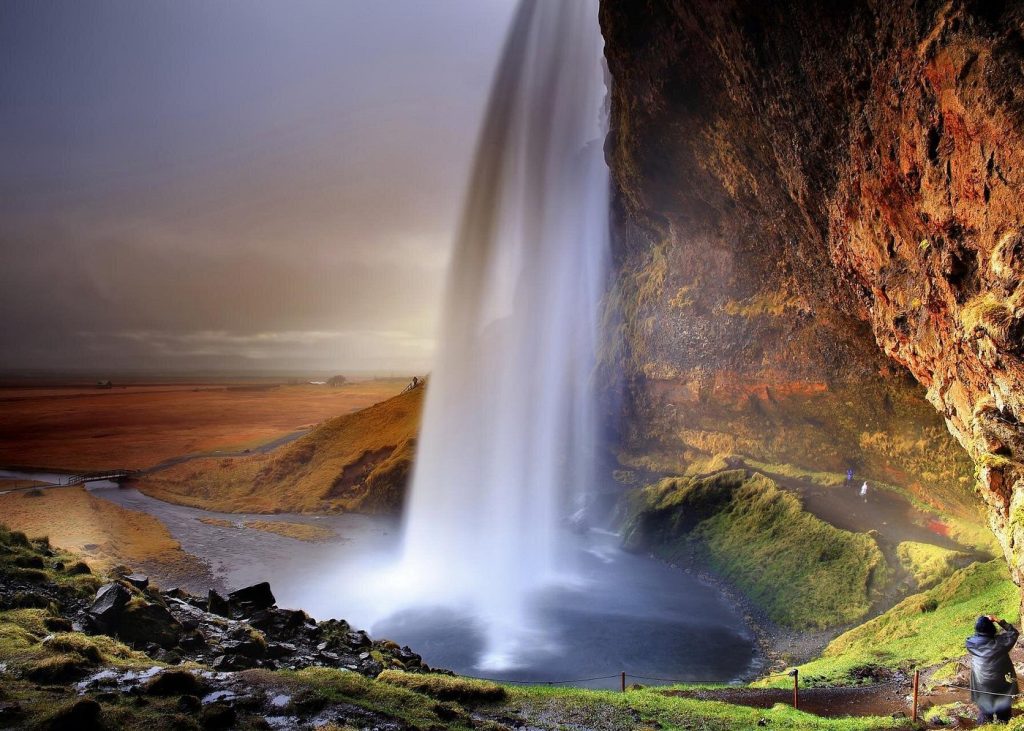
This classic minibus tour offers an overview of Iceland’s South Coast, including views of Eyjafjallajökull, stops at Seljalandsfoss and Skógafoss waterfalls, and the black sand beach of Reynisfjara. It’s a great option for first-time visitors who want to see multiple highlights without renting a car, and provides excellent distant views of the volcano.
⚠ Good to know: stops at popular waterfalls can feel rushed due to the packed itinerary, and you won’t get close to the volcano’s crater or glacier.
Eyjafjallajökull and Þórsmörk Super Jeep Experience
⏱ 10-12 hours | 💰 from $300 | 👥 Small Group | 📍 Pickup from Hvolsvöllur/Hella
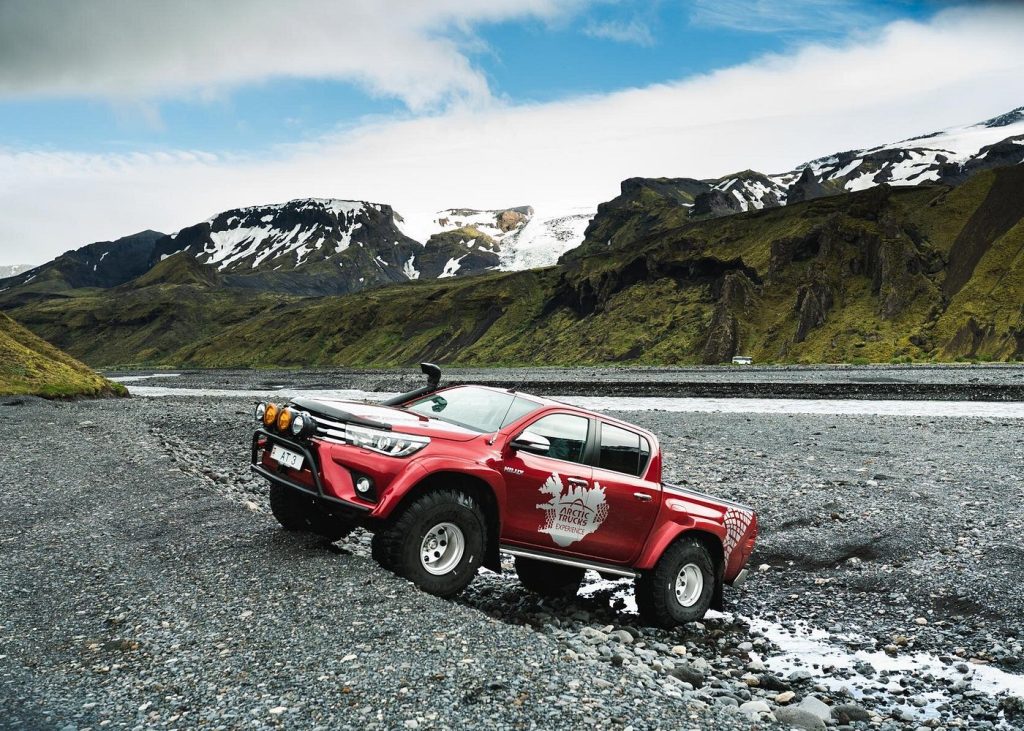
Delve deep into the rugged interior surrounding Eyjafjallajökull with a specialized super jeep. This tour takes you into the Þórsmörk (Thorsmork) valley, crossing rivers and exploring the landscapes formed by glacial and volcanic activity. It offers a more direct experience of the volcano’s environment, including views of the Fimmvörðuháls eruption site from a different perspective.
⚠ Good to know: this tour often starts from smaller towns (Hvolsvöllur/Hella), requiring separate transport to the pickup point, which adds logistical complexity.
Private South Coast Volcano and Glacier Super Jeep Tour
⏱ 8-10 hours | 💰 from $1200 (group) | 👥 Private | 📍 Pickup from Reykjavik
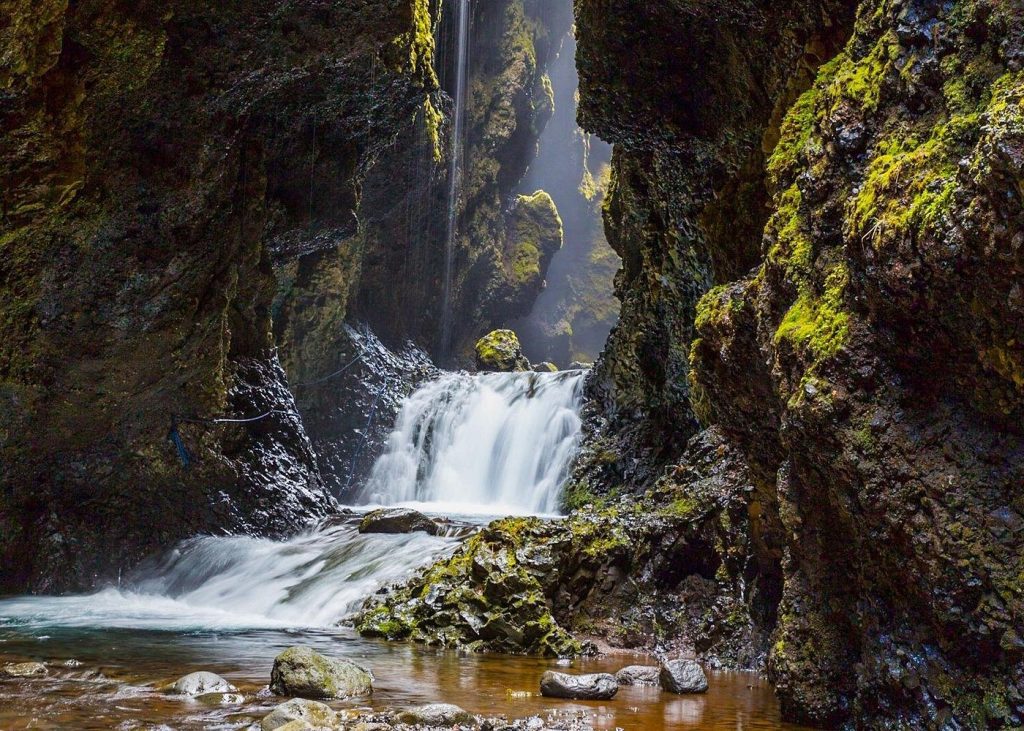
For flexibility and a tailored trip, a private super jeep tour allows you to customize your South Coast itinerary, focusing heavily on the Eyjafjallajökull area, glacier tongues, and other volcanic landscapes. Your expert guide will tailor the experience to your interests, providing in-depth information and access to specific spots. Ideal for families or small groups wanting a customized journey.
⚠ Good to know: the high cost of a private tour makes it prohibitive for solo travelers or those on a tight budget.
Eyjafjallajökull Volcano Tour: Can You Still Visit It in 2026?
Yes, you can visit the Eyjafjallajökull area in 2026, though the experience will be different from what some might imagine. The volcano itself is currently dormant, blanketed by its namesake glacier. This means you won’t be seeing any bubbling lava or ash plumes. Instead, a visit focuses on the scale of the landscape, the remnants of its powerful eruption, and the opportunity to hike on the glacier that covers it. Access is primarily from the south, off the Ring Road, leading to viewpoints, hiking trails, and the base for glacier and super jeep tours. You can’t just drive up to the crater rim, but there are many ways to get close and understand its power.

Is It Safe to Visit Eyjafjallajökull Now? Current Status & Safety Measures
In 2026, Eyjafjallajökull is considered dormant and safe for visitors, provided you stick to established routes and heed local advice. The Icelandic Meteorological Office (IMO) continuously monitors all of Iceland’s active volcanoes, including Eyjafjallajökull. While there’s underlying seismic activity in active volcanic zones, there are no current indications of an imminent eruption for Eyjafjallajökull. Historically, hundreds of years passed between the 2010 eruption and the previous one. You can check the latest geological activity and alert levels for all Icelandic volcanoes directly on the IMO website.
Safety is paramount, especially when dealing with glacial environments. The main summit and crater area of Eyjafjallajökull are covered by a thick glacier. Attempting to access these areas without proper equipment, training, or a certified guide is extremely dangerous. Crevasses, changing ice conditions, and rapidly deteriorating weather are constant hazards. Hiking on a glacier requires glacier traversing equipment, knowledge, and practiced skill; it’s not like hiking a regular mountain.
Guided tours, especially super jeep and glacier hiking operators, are well-versed in navigating these terrains safely. They monitor weather conditions, assess glacial stability, and provide all necessary safety gear (crampons, ice axes, harnesses). This level of expertise isn’t available to independent travelers looking to venture onto the ice. Stick to well-marked trails and established viewpoints if exploring independently, or book a tour for any close-up volcano/glacier interaction. Even with a guide, access can be restricted without warning if conditions become unsafe, leading to potential tour cancellations.
Getting to Eyjafjallajökull: Location & Access Options
Eyjafjallajökull is located in South Iceland, roughly 125 kilometers (78 miles) east of Reykjavik. It’s a significant landmark along the popular South Coast route, making it a common stop on day trips from the capital or part of a longer Ring Road itinerary.
By Car (Self-Drive):
The most straightforward approach is via the Ring Road (Route 1). From Reykjavik, head east. You’ll pass several major South Coast attractions like Seljalandsfoss and Skógafoss waterfalls.
- From Reykjavik: Approximately a 1 hour 45 minute to 2-hour drive to the general area, depending on your destination (e.g., the Eyjafjallajökull Visitor Centre is near Hvolsvöllur).
- Access Roads: While you can see the volcano from the Ring Road, getting closer involves turning off onto smaller roads. The road to the Þórsmörk (Thorsmork) valley (F249) offers some of the best views and access to trails in the Eyjafjallajökull area. However, F249 is an F-road, meaning it’s only open during summer (June to September) and requires a 4×4 vehicle with high clearance due to unbridged river crossings. Don’t attempt this road in a regular 2WD car. F-roads can experience flooding, sometimes requiring modified vehicles or making them impassable.
- Parking: Parking is available at various attractions in the area, such as Seljalandsfoss, Skógafoss, and the Lava Centre. If you venture onto F-roads with a permitted vehicle, designated parking spots can be sparse, just pull-offs.
By Guided Tour:
For many, a guided tour is the most practical and safest way to experience Eyjafjallajökull, especially if you want to get onto the glacier or deep into the surrounding valleys.
- Super Jeep Tours: These specialized 4×4 vehicles are designed to tackle rugged terrain and river crossings, providing access to areas unreachable by regular cars. Many tours specifically focus on the Eyjafjallajökull area, combining it with Þórsmörk or nearby glaciers.
- Bus Tours: Larger coach tours drive along the Ring Road, stopping at major viewpoints for photo opportunities of the volcano from a distance, usually combined with other South Coast highlights. They won’t take you onto F-roads or glaciers.
- Helicopter Tours: Helicopter tours from Reykjavik offer wide perspectives of the volcano, glacier, and the surrounding highlands. This is the most expensive option but provides broad access.
Navigating the F-roads and glacier conditions independently demands specific expertise and equipment. For most travelers, opting for a guided tour minimizes risk and maximizes access, ensuring you get to the places you want to see without getting stuck.

Every Way to See Eyjafjallajökull: Viewpoints, Hikes & Trails Compared
Eyjafjallajökull isn’t like Fagradalsfjall — there’s no single trailhead with marked paths to a crater. Instead, your experience depends on how close you want to get, how fit you are, and how much time and money you’re willing to spend. Below is every practical option, from a quick roadside stop to a full summit push, with the specifics you need to choose.
1. Ring Road Viewpoints (No Hike Required)
| Detail | Info |
|---|---|
| Location | Route 1 between Hvolsvöllur and Skógar |
| Distance | 0 km — roadside pull-offs |
| Time | 5–15 minutes per stop |
| Difficulty | None |
| Cost | Free |
The ice-capped silhouette of Eyjafjallajökull dominates the skyline for much of the South Coast drive. You don’t need to leave your car to see it, but several pull-offs between Hvolsvöllur and Skógar offer unobstructed photo angles, especially on clear days. The best views tend to be from the stretch of Route 1 near the Þorvaldseyri farm, where the volcano looms directly behind the fields — the classic postcard shot.
Best for: Anyone driving the South Coast who wants a quick photo without committing time. Works in any weather where the summit is visible.
What you won’t get: Any sense of scale or connection to the eruption history. From the road, it looks like a pretty mountain with snow on top.
2. Eyjafjallajökull Visitor Centre (Þorvaldseyri)
| Detail | Info |
|---|---|
| Location | Þorvaldseyri farm, just off Route 1 near Hvolsvöllur |
| Distance | No hiking — indoor exhibit |
| Time | 30–45 minutes |
| Difficulty | None |
| Cost | ~1,000 ISK (~€7 / ~$7 USD) |
This small visitor centre is run by the farming family whose land was directly hit by the 2010 ashfall and glacial floods. A 20-minute documentary shows eruption footage, the evacuation, and the cleanup from their personal perspective. It’s not a large museum — think one-room exhibit with a screening — but the first-person storytelling gives the eruption a human dimension you won’t get anywhere else.
Best for: Families, anyone interested in the human side of the 2010 eruption, or travellers passing through who want a quick, meaningful stop. Combines well with Seljalandsfoss (10 minutes away) or the Lava Centre in Hvolsvöllur.
Tip: The centre is small and can feel crowded if a tour bus arrives. Early morning or late afternoon visits are quieter.
3. Skógafoss to Waterfall Trail (Easy Half-Day Hike)
| Detail | Info |
|---|---|
| Start | Skógafoss waterfall car park |
| Distance | ~8–9 km round trip (up the river gorge and back) |
| Time | 3–4 hours |
| Elevation Gain | ~400 m |
| Difficulty | Easy to moderate |
| Cost | Free (parking at Skógafoss ~700 ISK) |
This is the most accessible hike with Eyjafjallajökull views. A well-marked trail climbs up the staircase beside Skógafoss and follows the Skógá river upstream through a gorge lined with over 20 waterfalls. As you gain elevation, Eyjafjallajökull and its glacier come into view to the north. You don’t need to do the entire Fimmvörðuháls trail — most people turn around after 4–5 km once the views open up.
Best for: Moderate hikers, families with older children, or anyone who wants a taste of the Fimmvörðuháls landscape without the full-day commitment. No glacier gear needed.
What you’ll see: A chain of waterfalls in a volcanic gorge, views of Eyjafjallajökull and Mýrdalsjökull glaciers, and the transition from green lowlands to barren highlands.
4. Fimmvörðuháls Trail (Full Volcano Hike — the Classic)
| Detail | Info |
|---|---|
| Start | Skógar (south end) or Þórsmörk (north end) |
| Distance | ~25 km point-to-point |
| Time | 8–12 hours (1 day) or 2 days with a hut stay |
| Elevation Gain | ~1,000 m from the Skógar side |
| Difficulty | Challenging |
| Season | Mid-June to September only |
| Cost | Free (self-guided), or ~€150–250 for a guided day hike |
This is the trail that takes you directly through the 2010 eruption zone. The Fimmvörðuháls pass runs between Eyjafjallajökull and Mýrdalsjökull glaciers, and the route passes right by Magni and Móði — the two craters formed during the initial fissure eruption on March 20, 2010. These craters are still warm in places, with steam rising from the ground. The surrounding lava field is raw, black, and recent.
The hike is traditionally done south-to-north (Skógar → Þórsmörk), starting at Skógafoss and climbing steadily through the waterfall gorge before reaching the barren highland pass. The northern descent into the green valley of Þórsmörk is dramatic. Doing it in reverse (Þórsmörk → Fimmvörðuháls as a day hike and back) is also popular — this is roughly 14 km round trip and avoids the need for transport at both ends.
Best for: Experienced hikers who want the definitive Eyjafjallajökull experience. This is the closest you’ll get to the 2010 eruption site on foot without glacier equipment.
What you’ll see: The Magni and Móði craters, fresh lava fields, views of three glaciers (Eyjafjallajökull, Mýrdalsjökull, Tindfjallajökull), highland desert, and the lush Þórsmörk valley.
Logistics tip: If doing it point-to-point, you’ll need transport at one or both ends. Highland buses run from Reykjavík to Þórsmörk in summer (Trex or Reykjavík Excursions). Alternatively, book a guided tour that handles all transfers.
Warning: The pass is at ~1,100 m elevation and fully exposed. Weather changes fast — snow, fog, and high winds are possible even in July. Don’t attempt this trail without proper gear, navigation tools, and a weather check from vedur.is.
5. Eyjafjallajökull Summit Hike (Glacier Ascent — Expert Level)
| Detail | Info |
|---|---|
| Start | Seljavallalaug area (south side) |
| Distance | ~16 km round trip |
| Time | 10–14 hours |
| Elevation Gain | ~1,600 m |
| Difficulty | Very challenging — glacier equipment required |
| Season | June to August (weather-dependent) |
| Cost | ~€300–500 (guided only — do not attempt unguided) |
The full summit ascent takes you from the foothills up to 1,651 m, right to the edge of the caldera that erupted in 2010. From the snowline at ~950 m, you rope up and use crampons and ice axes for the glacier traverse. The guide provides all equipment and a safety briefing. No prior glacier experience is required, but you need strong fitness and stamina for the sustained elevation gain.
Best for: Bucket-list hikers who want to stand on the actual volcano summit and look down into the caldera. This is the ultimate Eyjafjallajökull experience.
What you’ll see: Panoramic views over the 2010 eruption crater, the Atlantic coast, the Westman Islands, and neighboring glaciers. On clear days, visibility extends for hundreds of kilometres.
Availability: Only a handful of guiding companies offer this (Mountain Guides of Iceland, Icelandia). Trips are weather-dependent and can be cancelled with short notice. Book well in advance for summer dates.
6. Super Jeep Tours (Access Without the Hike)
| Detail | Info |
|---|---|
| Start | Pickup from Reykjavík or meet at a base camp near Skógar |
| Distance | Driven — minimal walking |
| Time | 4–8 hours depending on tour |
| Difficulty | Easy (physical) |
| Cost | ~€200–400 per person |
Super jeep tours use modified 4×4 vehicles to cross rivers and reach areas inaccessible to rental cars — including the Þórsmörk valley, the base of the glacier, and the Gígjökull outlet glacier that was dramatically altered during the 2010 eruption. Some tours combine Eyjafjallajökull with snowmobiling on the glacier or stops at Seljalandsfoss and Skógafoss.
Best for: Visitors who want close access to the volcano without a demanding hike, families, and anyone without a 4×4 rental. Also the only way to visit the Gígjökull area in winter.
Tip: Arctic Adventures and Southcoast Adventure offer well-reviewed super jeep tours focused specifically on Eyjafjallajökull.
Quick Comparison: Which Eyjafjallajökull Experience Fits You?
| Experience | Time Needed | Fitness Level | Get Close to Eruption Site? | Cost | Season |
|---|---|---|---|---|---|
| Ring Road viewpoints | 15 min | None | No — distant views | Free | Year-round |
| Visitor Centre | 30–45 min | None | No — indoor exhibit | ~€7 | Year-round |
| Skógafoss waterfall trail | 3–4 hrs | Low–moderate | No — glacier views from distance | Free | Year-round (icy in winter) |
| Fimmvörðuháls hike | 8–12 hrs | High | Yes — Magni & Móði craters | Free–€250 | June–September |
| Summit hike | 10–14 hrs | Very high | Yes — caldera rim | €300–500 | June–August |
| Super jeep tour | 4–8 hrs | Low | Partial — glacier base & Gígjökull | €200–400 | Year-round |
Important: Glacier conditions and trail access change with weather and season. Always check vedur.is for weather forecasts and SafeTravel.is for travel alerts before any Eyjafjallajökull visit. Never venture onto the glacier without a certified guide and proper equipment.
Guided Tour vs. Self-Exploration: Which is Right for You?
Deciding between a guided tour and striking out on your own around Eyjafjallajökull depends heavily on your experience, budget, and desired level of activity.
| Criteria | Self-Guided Exploration | With a Guided Tour |
|---|---|---|
| Price | Lower initial costs (car rental, fuel, parking, fees for visitor centers). | Higher upfront cost (tour price). Often includes transport, gear, and expertise. |
| Safety | Lower on F-roads (requires specific vehicle/experience with river crossings). Very low on glaciers/summits (extremely dangerous without guide/equipment). | High. Guides are certified, experienced with terrain, weather, and carry safety equipment. |
| Route Flexibility | High. You set your own schedule, stops, and pace on public roads/well-marked trails. | Lower. Fixed itinerary and schedule, though private tours offer more flexibility. |
| Transport | Requires renting a 4×4 for F-roads. Regular 2WD for Ring Road views. | Includes pick-up/drop-off. Uses specialized vehicles (super jeeps) for rugged access. |
| Accessibility | Limited to Ring Road viewpoints and easily accessible trails. F-roads require a high-clearance 4×4. Glacier/summit access is unsafe. | Unlocks access to F-roads, glacial areas, and specific eruption sites safely. |
| Local Insight | Requires personal research. Limited direct interaction with local experts. | Guides provide geological, historical, and cultural insights, sharing anecdotes. |
| Best for | Budget travelers, experienced hikers sticking to marked trails, those focusing on Ring Road sights, or travelers who enjoy independent exploration from a distance. | First-time visitors to Iceland, those without a 4×4, anyone wanting to hike on a glacier or access remote eruption sites, and those prioritizing safety and expert knowledge. |
If you don’t have a 4×4 vehicle, limited experience with glacier hiking, or want to understand the area beyond a distant view, booking a guided tour is the only sensible option. The peace of mind, expert navigation, and access to areas you couldn’t reach independently make it well worth the investment. For those who simply want a glimpse from the Ring Road, self-driving is perfectly adequate.
What to Pack & Wear for Your Eyjafjallajökull Adventure
Icelandic weather, especially near a glacier-capped volcano, is notoriously fickle. You could experience all four seasons in a single day, regardless of the time of year. Layering is key, and waterproofing is essential.
Clothing Layers
- Base Layer (Merino Wool or Synthetic): Wicks moisture away from your skin, keeping you dry and warm. Avoid cotton, which retains moisture and chills you.
- Mid-Layer (Fleece or Light Down): Provides insulation. A thick fleece jacket or a light, packable down jacket works well.
- Outer Layer (Waterproof and Windproof Shell): This is your main defense against the elements. A good quality Gore-Tex or similar material jacket and pants are non-negotiable.
- Warm Hat: Retains body heat, crucial in windy conditions.
- Gloves or Mittens: Essential for keeping hands warm, especially on glaciers or in colder months. Waterproof options are best.
- Thermal Socks (Wool): Keep your feet warm and prevent blisters. Pack an extra pair.
Footwear
- Sturdy Hiking Boots: Waterproof, ankle-supporting boots with good grip are paramount. This is non-negotiable, particularly if you plan any walking or glacier activities.
- Gaiters (Optional but Recommended): Keep snow, mud, and small stones out of your boots, particularly useful for glacier hikes or muddy trails.
Essential Gear
- Small Backpack (20-30L): To carry extra layers, water, snacks, and personal items.
- Water Bottle: Stay hydrated. You can often refill with fresh glacier meltwater on tours.
- Snacks: Energy bars, nuts, or fruit are good options to keep you fueled.
- Sunglasses: Essential year-round, especially on glaciers where glare can be intense.
- Sunscreen: Even on cloudy days, UV radiation can be strong, particularly at higher altitudes or near ice.
- Camera and Extra Batteries: You’ll want to capture the views, and cold drains batteries quickly.
- Power Bank: For charging your phone or other electronics.
- Personal First-Aid Kit: Small essentials like pain relievers, blister plasters, and any personal medications.
- Headlamp (Winter): For early mornings or late afternoons during the darker months.
Even in summer, the weather can turn cold and wet quickly, making underpacking a real issue. Don’t underestimate the power of Icelandic weather; a minor drizzle can become a chilling, horizontal rain in minutes.
Best Time to Visit Eyjafjallajökull: Seasonal Insights
The best time to visit Eyjafjallajökull depends on what you want to do and your tolerance for different weather conditions. Each season offers a distinct experience.
Summer (June – August)
- Pros: Longest daylight hours (up to 24 hours in June), milder temperatures (average 10-15°C / 50-59°F), and all F-roads are typically open, allowing access to areas like Þórsmörk. Glacier hiking and snowmobiling tours are readily available. The landscape is green and vibrant.
- Cons: Highest tourist crowds, leading to higher prices for accommodation and tours. Even in summer, strong winds and rain are possible.
- Best Time of Day: Mornings are often clearer and less crowded. Late evenings (midnight sun) offer softer light for photography.
Shoulder Seasons (April-May & September-October)
- Pros: Fewer crowds and often better prices than peak summer. Potentially colorful autumn foliage in September. Increased chances of seeing the Northern Lights from late September. Roads might still be open (check conditions).
- Cons: Weather becomes more unpredictable. May can still have wintery conditions, and October can be cold and wet with fewer daylight hours. F-roads may start closing in late September/October.
- Best Time of Day: Mid-morning to mid-afternoon for optimal light and warmth.
Winter (November – March)
- Pros: Snow-covered landscapes and the best chance to see the Northern Lights (if skies are clear). Fewer tourists.
- Cons: Very limited daylight (only 4-7 hours), much colder temperatures (average 0-5°C / 32-41°F), and often harsh weather conditions with strong winds, snow, and ice. Many F-roads are closed, and some tours may not operate. Glacier conditions can be more challenging. Winter access can be severely restricted by snow and road closures.
- Best Time of Day: Mid-day, during the brief daylight hours, for any outdoor activity.
For optimal views and conditions, most visitors prefer late spring to early autumn (May to September). This window provides the best balance of accessibility, weather, and daylight. If your primary goal is glacier travel or detailed exploration, summer months are usually the safest bet.
What to Expect: Honest Tips for a Volcano Experience
Visiting Eyjafjallajökull isn’t like visiting a museum; it’s an encounter with raw nature. Keep these tips in mind to set realistic expectations and make the most of your trip:
- Don’t Expect an Active Volcano: Eyjafjallajökull is currently dormant. You will not see lava, glowing vents, or ash plumes. The “crater” isn’t a bubbling lava pit; it’s a snow and ice-filled caldera. If you want active lava, you need to check the current status of the Reykjanes Peninsula volcanoes (e.g., Fagradalsfjall, Litli-Hrútur, Sundhnúkur) and their associated viewing areas.
- The Weather Calls the Shots: This isn’t a cliché in Iceland. High winds, heavy rain, or thick fog can appear rapidly, completely obscuring views or making tours impossible. Be prepared for cancellations or changes to your itinerary. Embrace the unpredictability.
- Glacier is Dangerous – Get a Guide: Unless you are a certified mountaineer with extensive glacier experience and all the specialized equipment, do not attempt to hike on the glacier independently. Crevasses are hidden and deadly. Always join a guided tour for glacier activities; guides provide meticulous safety information.
- F-Roads are Serious Business: If you plan to drive the F249 to Þórsmörk, ensure your rental car is a high-clearance 4×4, you understand how to cross unbridged rivers, and you’ve checked current road conditions (e.g., on road.is). Vehicle insurance often doesn’t cover F-road damage or river crossings.
- Views Vary Widely: On a clear day, the volcano is clear. On a cloudy or foggy day, you might see nothing but the base. Don’t build your entire day around getting the shot of the peak; appreciate the surrounding landscape too.
- Combine with the South Coast: Eyjafjallajökull is best experienced as part of a larger South Coast itinerary. Nearby waterfalls, black sand beaches, and other natural wonders complement the volcano’s presence.
- Booking in Advance is Smart: Especially during peak season (June-August) or for popular super jeep and glacier tours, booking a few weeks to months ahead ensures you get a spot.
- Embrace the Unpronounceable: Don’t stress about saying the name perfectly. Even many Icelanders shorten it. Just try your best, or refer to “the 2010 volcano.” It’s part of the fun.
Combine Your Trip: Nearby Attractions & The South Coast
Eyjafjallajökull is perfectly situated along Iceland’s famed South Coast, making it easy to combine a volcano experience with other sights.
Waterfalls
- Seljalandsfoss: Just west of Eyjafjallajökull, this waterfall allows you to walk behind its cascading curtain (weather permitting).
- Skógafoss: A powerful, wide waterfall a bit further east, offering a staircase to the top for panoramic views and the start of the Fimmvörðuháls trail.
Beaches & Basalt Columns
- Reynisfjara Black Sand Beach: Near Vík, famous for its black sand, basalt columns (Reynisdrangar), and powerful, dangerous sneaker waves. Stay safe and respect the ocean.
- Dyrhólaey: A promontory offering wide views of the black sand beaches, the Reynisdrangar sea stacks, and a massive rock arch. A popular puffin nesting site in summer.
Other Volcanic & Glacial Sites
- Sólheimajökull Glacier: An accessible outlet glacier from Mýrdalsjökull, offering easy access for guided glacier walks without the strenuous climb of Eyjafjallajökull itself.
- Katla Volcano: Not an attraction in itself, but the massive Mýrdalsjökull ice cap (which Sólheimajökull flows from) hides the formidable Katla volcano, Eyjafjallajökull’s larger and more frequent-erupting neighbor.
- The Lava Centre (Hvolsvöllur): A comprehensive and highly interactive exhibition dedicated to all Icelandic volcanoes and seismic activity. This is a valuable visit to understand the geology of the island.
- Þórsmörk (Thorsmork) Valley: A rugged valley accessible by super jeep or challenging hike, located between three glaciers (Eyjafjallajökull, Mýrdalsjökull, and Tindfjallajökull). It’s a popular hiking area.
Combining many South Coast attractions into one day means popular spots can get very crowded, especially midday, making it difficult to fully experience them without feeling rushed. Prioritize a few key stops to avoid feeling overscheduled.
FAQ
Is it currently possible to visit the crater of Eyjafjallajökull?
No. Eyjafjallajökull’s crater sits beneath a thick glacier, so there is no open crater to walk up to. Guided glacier tours — snowmobiling or super jeep trips — take you onto the ice cap and into the valleys directly below the summit, which is as close as you can safely get.
What’s the best way to see Eyjafjallajökull volcano up close?
The closest views come from a super jeep tour or a snowmobiling tour on the ice cap itself. Super jeeps handle the rough F-roads into the valleys beneath the volcano, while snowmobile tours put you on top of the glacier. For an easier option, South Coast day tours from Reykjavik pass clear viewpoints along Route 1.
Do I need to book Eyjafjallajökull tours in advance?
Yes — small-group super jeep and snowmobile trips often sell out in summer and on weekends. Booking a few days to a couple of weeks ahead is recommended in peak season (June–August). Most tours offer free cancellation up to 24 hours before, so it’s safe to reserve early.
How far is Eyjafjallajökull from Reykjavik, and how long does it take to get there?
Eyjafjallajökull is about 125 km (78 miles) east of Reykjavik. Driving to the visitor centre or the F-road turnoffs takes roughly 1 hour 45 minutes to 2 hours along the Ring Road (Route 1). Most guided day tours from Reykjavik run 10–12 hours including stops.
When is the best time of year to take an Eyjafjallajökull tour?
June to August offers the longest days, mildest weather and full access to the highland F-roads and glacier tours. May and September are quieter shoulder months with good conditions. Winter (November–March) works for super jeep and snowmobile tours, but daylight is short and many F-roads close, so Ring Road viewpoints become the realistic option.
Are there any visitor centers or museums dedicated to Eyjafjallajökull?
Yes — the Eyjafjallajökull Visitor Centre at Þorvaldseyri, a working farm at the base of the volcano, screens a 20-minute documentary made by the family who lived through the 2010 eruption. It’s an easy, low-cost stop that pairs well with a South Coast tour.
What are the safety risks associated with visiting Eyjafjallajökull?
The main risks come from the glacier and the weather. Never hike on the ice cap without a certified guide and proper equipment — hidden crevasses and fast-changing conditions are dangerous. Weather can shift quickly, so guided tours, warm layers and checking road and weather alerts are essential.
Can I visit Eyjafjallajökull in winter, and what should I expect?
Yes, but expect short daylight, cold temperatures and frequent storms. Many F-roads close under snow, so guided super jeep and snowmobile tours are usually the best way to reach the glacier. Distant Ring Road viewpoints stay accessible most of the season.
Do Eyjafjallajökull tours include a glacier hike?
Some do. Many tours feature snowmobiling on the ice cap rather than a hike, while dedicated glacier hikes in the area usually run on the nearby outlet glacier Sólheimajökull, which is more accessible. Check each tour’s itinerary for whether crampon hiking or snowmobiling is included.
Is it expensive to visit Eyjafjallajökull? What are the typical costs?
Costs depend on the activity. Self-driving for distant views is cheapest (mainly fuel and car rental, around $50–100+/day). The visitor centre is a few dollars. Guided tours range from about $135 for a South Coast day trip to $250–300 for snowmobiling or super jeep experiences, and up to $1,200+ for a private super jeep tour.
What’s the difference between a super jeep tour and a helicopter tour for Eyjafjallajökull?
A super jeep tour travels on the ground in a modified 4×4 built for rough terrain and river crossings, getting you into the valleys and onto the glacier base — hands-on and lower cost. A helicopter tour gives sweeping aerial views of the crater, ice cap and 2010 eruption site in a fraction of the time, but at a much higher price.
What other attractions can I combine with an Eyjafjallajökull visit on the South Coast?
Eyjafjallajökull sits among the South Coast’s best sights. Popular pairings include Seljalandsfoss (you can walk behind it) and Skógafoss waterfalls, Reynisfjara black-sand beach, the village of Vík, and the Sólheimajökull glacier. Most day tours from Reykjavik bundle several of these with volcano viewpoints.
What was the Eyjafjallajökull eruption like, and can you still see the eruption site?
The 2010 eruption sent an ash cloud across Europe and grounded flights for weeks, making it one of Iceland’s most famous eruptions, and it lasted several months. Today the site is quiet — you can see its impact at the visitor centre and from viewpoints and trails such as the Fimmvörðuháls route between the glaciers.
What if I’m short on time — can I still see Eyjafjallajökull?
Yes. A half-day sightseeing tour from Reykjavik covers Eyjafjallajökull viewpoints along the South Coast, and full-day excursions get you closer to the volcano and nearby waterfalls. Even a self-drive along Route 1 gives clear views of the ice-capped stratovolcano.
Is Eyjafjallajökull still volcanically active?
Yes, it is classed as an active volcano, though currently dormant with no signs of a new eruption. The 2010 event was only its most recent — it has erupted several times over the centuries. Its larger neighbour, Katla, is monitored closely as the more powerful of the two.