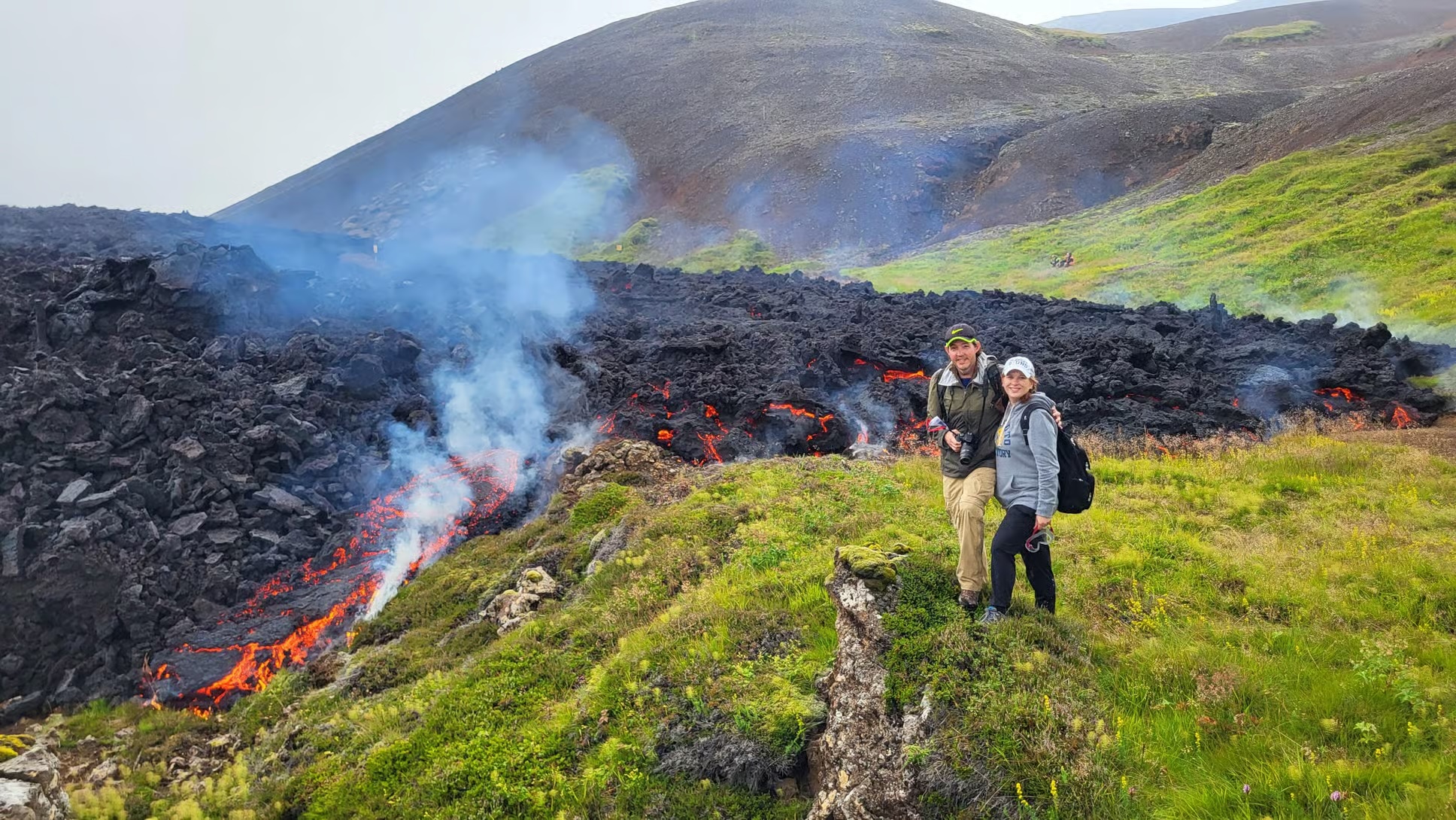
You’ve seen the photos — rivers of glowing lava carving through black rock, steam rising against an Arctic sky, hikers silhouetted on ridges that didn’t exist two years ago. Now you’ve booked one of the Iceland volcano tours and the reality is hitting: what on earth do you wear to walk toward an active volcano in a country where the weather changes its mind every fifteen minutes?
Here’s the thing nobody tells you upfront: getting your clothing wrong on an Icelandic volcano hike isn’t just uncomfortable — it can cut your trip short. We’ve dug through dozens of traveler reports, Reddit threads, and trail stories to build a packing list that goes way beyond the generic “bring layers” advice. This is what people who’ve actually done it wish they’d known before stepping onto that lava field.
Why Iceland Volcano Hikes Demand a Different Packing Strategy
A volcano hike in Iceland isn’t your average mountain trail. You’re dealing with a cocktail of challenges that don’t usually come together in one place:
The terrain is alien. Fresh lava fields are sharp, uneven, and sometimes still warm underfoot. The rock can shred cheap boots and the gravel sections are steep enough to send you sliding if your grip isn’t solid. Some trails on the Reykjanes Peninsula cross ground that literally formed during eruptions in 2023-2024.
The weather is schizophrenic. This is not an exaggeration. You can start your hike in calm sunshine, hit sideways rain at the halfway point, and finish in wind that makes conversation impossible. Iceland averages rain 18 days per month. Let that number sink in.
Volcanic gases are real. Unlike a normal hike, you’re walking near active geothermal areas where sulfur dioxide (SO2) can irritate your eyes, nose, and throat. The wind direction determines whether you’re breathing fresh Arctic air or getting a faceful of volcanic fumes.
The hike is longer than it looks. Most volcano hiking tours involve 3-5 hours of walking round-trip over uneven ground. What looks like a short distance on a map becomes much longer when you’re picking your way across a lava field.
The Layering System: Your Survival Strategy
If there’s one concept that separates a great Iceland volcano hike from a miserable one, it’s layering. But not the vague “wear layers” advice — here’s the specific system that works.
Base Layer — The One Against Your Skin
This is the layer that makes or breaks your comfort. Its job is to pull sweat away from your body so you don’t end up cold and clammy when the wind picks up.
What to get:
- Merino wool top and bottoms — This is the gold standard and for good reason. Merino regulates temperature in both cold and mild conditions, wicks moisture like a dream, and — this is the big one — doesn’t stink after hours of sweating. Synthetic base layers work too, but they develop that lovely gym-bag smell remarkably fast.
- Avoid cotton at all costs. Cotton absorbs moisture, holds it against your skin, and takes forever to dry. In Icelandic conditions, a wet cotton base layer is a fast track to hypothermia. Seasoned hikers have a saying: “cotton kills.” It sounds dramatic. It’s not.
Pro tip from Reddit hikers: Buy your merino base layers a week before your trip and wear them around the house. This lets you spot any itchy seams or fit issues before you’re two hours into a lava field with no changing room in sight.
Mid Layer — The Warmth Engine
This is your insulation — the layer that traps body heat and keeps you warm when the temperature drops or the wind howls.
What to get:
- Fleece jacket or pullover (200-weight) — The classic choice. Lightweight, breathable, and it keeps working even when damp. A half-zip makes it easy to vent heat on uphills without stopping to strip layers.
- Lightweight down or synthetic puffy jacket — Perfect for rest stops when your body cools down fast. Down packs smaller but loses insulation when wet; synthetic is bulkier but performs in all conditions. For Iceland, synthetic is the safer bet.
Layer hack: Bring both the fleece and the puffy. Wear the fleece while hiking and throw the puffy on top during breaks or at viewpoints. Yes, it’s an extra item. No, you won’t regret it when you’re standing on a ridge watching lava glow at dusk.
Outer Layer — The Shield
This is your armor against Iceland’s horizontal rain, wind that can literally push you sideways, and occasional volcanic grit in the air.
What to get:
- Hardshell waterproof/windproof jacket with hood — Non-negotiable. Look for Gore-Tex or equivalent membrane technology. Cheaper “water-resistant” jackets will fail within the first hour of Icelandic rain. The hood should be adjustable and big enough to fit over a beanie. A pit-zip system is incredibly valuable for ventilation during steep uphill sections.
- Waterproof overtrousers — Equally non-negotiable. Side zips that open at the bottom let you pull them on over boots without the circus act of removing footwear on a windy hillside.
Real talk: A high-quality waterproof jacket is the single most important piece of clothing you’ll bring to Iceland. Period. This is where you spend the money. A €30 rain jacket from a fast-fashion store will have you soaked and shivering within an hour. A proper hardshell will last you years across multiple trips.
Footwear: Where Most People Get It Wrong
Footwear is the number-one complaint from first-time Iceland volcano hikers. The wrong shoes turn an incredible experience into a painful memory.
Hiking Boots — The Only Real Option
What you need:
- Waterproof hiking boots with ankle support. The terrain on volcano hikes is brutal — sharp lava rock, loose gravel, uneven surfaces, and occasional mud. Low-cut trail runners don’t provide enough ankle protection, and they’ll let every piece of volcanic gravel in.
- Vibram or equivalent outsoles with aggressive tread. Lava rock can be surprisingly slippery when wet, and the gravel sections on approaches like those near Fagradalsfjall are steep enough that you need genuine grip.
- Size up by half a size to accommodate thick hiking socks and natural foot swelling during a long hike. Your feet will expand — if your boots are snug in the shop, they’ll be painful on the trail.
Critical: Break in your boots before Iceland. Blisters on a 10km volcano hike with no escape route are genuinely awful. Wear your boots on at least 3-4 walks before you go.
Socks — The Unsung Heroes
- Merino wool hiking socks, medium to heavy weight. They cushion your feet, wick moisture, and add insulation. Bring at least two pairs for your hiking days.
- Thin liner socks underneath (optional but game-changing). These reduce friction between your foot and the outer sock, dramatically cutting blister risk.
Gaiters — The Secret Weapon
Most packing lists skip gaiters, and most hikers regret not having them. Lightweight hiking gaiters wrap around your lower leg and boot top, keeping volcanic gravel, mud, and water out. On loose scree sections — which are common on volcano approaches — they’re the difference between stopping every five minutes to empty your boots and walking uninterrupted.
Head, Hands, and Face: The Details That Matter
You lose a disproportionate amount of body heat through your head and hands. In Icelandic wind, unprotected extremities go from cold to painful to numb alarmingly fast.
Head
- Warm beanie that covers your ears — Fleece-lined and windproof is ideal. The wind on exposed ridges near volcanic sites can be savage.
- Buff/neck gaiter — The single most versatile piece of gear you’ll pack. Wear it as a scarf, pull it over your nose when volcanic gases pick up, use it as a headband, or double it as an emergency ear warmer. Bring two — you’ll find a use for both.
Hands
- Windproof/waterproof gloves — Your primary pair for hiking. Touchscreen-compatible fingertips are genuinely useful so you can take photos without exposing your hands to the cold.
- Warm mittens — Pack as backup. When the wind really kicks up, mittens trap more heat than gloves because your fingers share warmth. Wear the thin gloves inside the mittens for maximum protection.
Face and Eyes
- Sunglasses with good UV protection — The Icelandic landscape reflects sunlight aggressively, especially off snow, ice, and light-colored volcanic ash. Polarized lenses reduce glare.
- Sunscreen SPF 30+ — Sounds counterintuitive for a subarctic island, but UV exposure at altitude and near reflective volcanic surfaces is real. Your face and the backs of your hands are especially vulnerable.
- Protective eye covering for windy days — Volcanic ash and dust can irritate eyes significantly in windy conditions. If you wear contact lenses, bring your glasses as backup — grit and contacts are not friends.
The Backpack and What Goes In It
You need a daypack — 20-30 liters is the sweet spot. Big enough to carry your extra layers, small enough that it doesn’t throw off your balance on uneven ground.
Hydration and Food
- At least 1.5-2 liters of water. The hike is more dehydrating than you’d expect. Cold, dry wind pulls moisture from your body even when you don’t feel thirsty. Drinking water also helps reduce the irritation from volcanic gas exposure.
- High-energy snacks — Trail mix, protein bars, nuts, dried fruit. Avoid anything with lots of sugar that gives a quick spike and crash. You need sustained energy for a multi-hour hike over tough terrain.
- Thermos with hot drink — This one comes from experienced Iceland hikers and it’s brilliant. A thermos of hot chocolate or coffee at the summit viewpoint isn’t just warming — it’s a morale booster that turns a cold rest stop into a highlight.
Safety Essentials
- Headlamp with fresh batteries — If you’re hiking outside summer months or on an evening tour, you might descend in fading light. Even in summer, conditions can reduce visibility unexpectedly. A headlamp weighs almost nothing and could save your hike.
- Portable phone charger — Cold drains batteries fast. Keep your phone warm inside a pocket close to your body, and bring a power bank. You’ll want your phone for photos and for checking volcanic gas conditions.
- First aid basics — Blister plasters (Compeed or equivalent), painkillers, any personal medication. The lava rock environment means scrapes and cuts are more likely than on a normal trail.
Volcanic Gas Protection
This is where volcano hikes differ from every other type of hiking. Sulfur dioxide gas is a genuine concern near active volcanic sites.
- Check vedur.is before your hike — This is the Icelandic Meteorological Office website. It shows real-time SO2 gas concentration maps and wind direction. You want to hike with the wind at your back so gases blow away from you, not into your face.
- Buff/neck gaiter pulled over nose and mouth — Not a substitute for a proper respirator, but it helps with minor gas exposure and volcanic dust.
- People with asthma or respiratory conditions: Talk to your tour provider before booking. Reputable operators like Iceland Volcano Tour monitor gas levels before every departure and will reschedule if conditions are unsafe. This isn’t a nice-to-have safety measure — it’s essential.
Season-by-Season: What Changes
Summer (June–August)
Summer is peak volcano hiking season, with up to 21 hours of daylight and temperatures between 10-15°C (50-59°F). But “summer” in Iceland is not summer as you know it.
- Lighter base layers are fine, but keep the waterproof shell in your pack — rain can arrive in minutes
- Wind is generally calmer but still present on ridges and near the coast
- Sunscreen becomes more important with extended daylight
- Midges (tiny biting flies) can be annoying near some areas — a headnet weighing 20 grams can save your sanity
You can explore summer volcano hiking tours that take advantage of the midnight sun for evening hikes with incredible lighting over the lava fields.
Autumn (September–October)
Temperatures drop to 2-8°C (35-46°F), days shorten rapidly, and rain intensifies.
- Add a warmer mid-layer — the fleece + puffy combination becomes essential rather than optional
- Waterproof everything matters more
- Headlamp moves from “nice to have” to “mandatory”
- Trail conditions can be muddier — gaiters become critical
Winter (November–March)
This is expert territory. Temperatures hover around -5 to 3°C (23-37°F), daylight drops to 4-5 hours, and conditions are genuinely harsh.
- Crampons or microspikes — Ice is everywhere. Some tour operators provide these, but confirm in advance. You don’t need them for the entire hike, only on icy patches, but when you need them, you really need them.
- Heavier base layers, doubled mid-layers, insulated waterproof outer layers
- Hand and toe warmers (the disposable chemical kind) are worth their weight in gold
- Balaclava instead of beanie for full face coverage
Spring (April–May)
The wildcard season. You might get any of the above conditions, sometimes all in the same day.
- Pack for winter but hope for summer
- Snow can linger on higher sections while lower areas are clear
- Volcano and hot spring combo tours are especially appealing in spring — warming up in a geothermal pool after a cold hike is heavenly
What NOT to Bring: Lessons from the Trail
Sometimes knowing what to leave behind is as valuable as knowing what to pack. These mistakes come straight from traveler forums and Reddit threads:
Jeans. Just no. Denim is heavy, restricts movement, absorbs water like a sponge, and takes forever to dry. Jeans on an Icelandic volcano hike are a recipe for cold, chafed misery.
Brand-new boots. We mentioned this above but it’s worth repeating because people keep making this mistake. New boots + long hike + lava rock = blisters that will haunt your trip. Break them in first.
An umbrella. Iceland’s wind laughs at umbrellas. It will be destroyed within minutes or ripped from your hands. Waterproof layers are the only rain solution that works here.
Too much cotton. Cotton t-shirts, cotton hoodies, cotton socks — leave them all at the hotel. Synthetic or merino everything for the hike.
A massive backpack. Some people show up with full-size travel packs for a day hike. You need a lean 20-30 liter daypack. Everything else stays at your accommodation or in the tour vehicle.
Expensive jewelry or accessories. Volcanic environments are grimy, windy, and rough. Things get lost, scratched, and covered in ash. Leave the nice stuff at home.
The Complete Packing Checklist for Any Iceland Volcano Tour
Here’s your quick-reference list. Screenshot it, print it, tape it to your suitcase — whatever works.
Clothing — Worn
- Merino wool base layer top
- Merino wool base layer bottoms
- Fleece mid-layer jacket
- Waterproof hardshell jacket with hood
- Waterproof overtrousers
- Hiking pants (not jeans, not cotton)
- Merino wool hiking socks
- Waterproof hiking boots (broken in!)
- Warm beanie
- Windproof gloves (touchscreen-compatible)
- Buff/neck gaiter
Clothing — In Backpack
- Lightweight puffy jacket (for rest stops)
- Spare merino wool socks
- Warm mittens (backup)
- Second buff/neck gaiter
- Thin liner socks
- Gaiters (if you own them)
- Sunglasses
Gear and Supplies
- Daypack (20-30L, ideally waterproof or with rain cover)
- Water (1.5-2L minimum)
- High-energy snacks
- Thermos with hot drink
- Headlamp + spare batteries
- Portable phone charger
- Sunscreen SPF 30+
- Basic first aid kit (blister plasters, painkillers)
- Dry bag or ziplock bags for electronics
Optional but Recommended
- Hiking poles (especially helpful on steep gravel sections)
- Camera or GoPro
- Hand/toe warmers (in cold months)
- Crampons/microspikes (winter only)
- Headnet (summer, for midges)
FAQ: What to Wear on an Iceland Volcano Hike
Can I hike an Icelandic volcano in sneakers or regular shoes?
Technically you can. Practically, it’s a terrible idea. The terrain is sharp lava rock and loose gravel that will destroy regular shoes and offer no ankle support or grip. Multiple trip reports mention people in sneakers turning back because of discomfort, slipping on gravel, or getting small volcanic rocks stuck in low-cut shoes. Invest in proper waterproof hiking boots — your feet and ankles will thank you.
How cold does it actually get on a volcano hike?
Even in summer, expect temperatures between 5-12°C (41-54°F) on exposed ridges, dropping further with wind chill. Wind speeds of 30-50 km/h are common at elevation, which can make 10°C feel like 0°C. In winter, temperatures at altitude routinely drop below -10°C (14°F) with wind chill. The layering system described above handles all of these scenarios.
Do I need a gas mask for the volcano?
For most guided hikes, no. Professional Iceland volcano tour operators monitor SO2 levels in real-time and won’t take groups out if gas concentrations are dangerous. However, you should check vedur.is (the Icelandic Met Office) before any hike, position yourself upwind of active vents, and carry a buff that can cover your nose and mouth. If you have asthma or respiratory conditions, discuss your plans with your tour provider in advance — responsible operators will always prioritize your safety.
Is it worth buying expensive gear just for one volcano hike?
You don’t need to buy everything new. A quality waterproof jacket and good hiking boots are the two items worth investing in because you’ll use them for years. For everything else, consider renting in Reykjavik — shops like Icewear and 66°North rent out quality gear, and some tour operators include essential equipment. The only item where cheap really doesn’t work is the waterproof outer layer. Spend the money there.
What should I wear on a volcano and hot springs combo tour?
If you’re doing a volcano hike and hot springs tour, pack everything from the hiking list above plus a swimsuit and quick-dry towel worn under your hiking layers or in your pack. After the hike, you’ll change into swimwear at the hot spring facility. Wearing your wet swimsuit under hiking clothes on the way back is a cold, unpleasant mistake — bring a plastic bag to keep your wet swimwear separate.
Do I really need waterproof pants or just the jacket?
You really need both. Icelandic rain doesn’t fall straight down — it comes at you sideways. Your legs will get soaked without waterproof overtrousers, and wet legs in cold wind lead to rapid heat loss. The side-zip style lets you pull them on quickly without removing boots, which is exactly what you’ll want when a rainstorm hits mid-hike.
Can kids do volcano hikes? What should they wear?
Children can do many volcano hikes in Iceland, though age minimums vary by tour operator. The same layering principles apply — merino base, fleece mid, waterproof outer — just in smaller sizes. Kids lose body heat faster than adults, so err on the side of bringing extra warm layers. Make sure their boots fit well with thick socks, and bring extra snacks and water. Check the minimum age and difficulty rating with your chosen tour before booking.
What about hiking poles — are they necessary?
Not strictly necessary, but highly recommended, especially for the descent. Volcano hike approaches often involve steep gravel paths where poles provide stability and take pressure off your knees. Telescoping poles that collapse into your pack are ideal. If you don’t own them, some tour operators can lend pairs — ask when booking.
How do I keep my electronics safe from volcanic dust and rain?
Volcanic environments are tough on electronics. Fine volcanic grit can get into camera lenses, charging ports, and speaker grilles. Use ziplock bags or a small dry bag for your phone and camera when not actively using them. A lens cloth is essential if you’re shooting with a proper camera. Keep your power bank in an inside pocket where body heat keeps it performing in the cold.
Dress for the Volcano, Not for Instagram
The most common mistake we see is people prioritizing how they look over how they’ll function. An Iceland volcano hike is raw, wild, and physically demanding — and it’s one of the most incredible experiences on the planet precisely because of that.
Dress smart, layer up, protect your extremities, and respect the conditions. When you’re standing on a ridge watching steam rise from fresh lava while the wind whips across an otherworldly landscape, you won’t be thinking about your outfit. You’ll be thinking about how you’re standing on one of the most geologically active places on Earth — and that you were prepared enough to actually enjoy every second of it.
Ready to pick your adventure? Browse available Iceland volcano tours and start planning your trip. The volcano isn’t waiting.
Leave a Reply